This article is regularly updated for accuracy and new platform features or changes. We haven’t included Mastodon, Threads, Bluesky, Twitch, and other emerging platforms because some are incredibly niche (like Twitch), and some, like Threads and Bluesky, are better suited to individuals and media outlets, not so much brands.
Every business needs a social media presence. Social media supports your website, integrates with SEO and ads, expands your reach, and builds a community around your company. It’s a part of your brand story, and impacts how you’re perceived. But in order for it to be effective, you need to choose the right social media platform for your business.
I’m here to help you figure that out – using alcoholic beverages.
Yes, you read that correctly. We’re going to compare the most popular social networks and their audiences to popular drinks and the people who enjoy them.
Why?
A huge part of successfully using social media in your digital marketing strategy is identifying the personalities of your company and your audience – then choosing the optimal place for them to get together. The ‘flavour’ of your social platform is the foundation on which your content, ads, and even posting schedule should be built.
Cheers! Let’s get started.
What are the top social media platforms for business?
The strongest platforms for businesses are, predictably, Facebook, LinkedIn, Instagram, YouTube, and TikTok.
- Facebook has the most users and the broadest reach, plus affordable ads for small business
- LinkedIn is the leader for B2Bs to build community and share expertise
- Instagram is the best for B2Cs and any company that has a visual offering
- YouTube is the best place to share video content due to Google showing YouTube at the top of the SERP
- TikTok is the best place to reach younger audiences and potentially go viral without a huge following
Is there a right or wrong social media platform for my business?
The short answer is no. A small HVAC company can be successful on Instagram. A nutritional supplement company can tap the power of LinkedIn publishing. And remember when Wendy’s showed us that a corporation could win at Twitter?
There isn’t one drink that you have to pair with your meal, but with that said, certain pairings do have flavourful benefits that have lead connoisseurs to say they belong together. It’s the same with social media.
What matters most, though, is that you understand four things:
- Your brand and goals
- Your audience’s wants and needs
- Your team’s content creation skills and bandwidth
- How social media fits into your overall digital strategy
If you’ve got that locked in, the best platform for your company should become obvious.
How to identify your brand personality
Choosing a social media platform for your company has a lot to do with personality. And just like every business needs social media, we need personalities, too.
A huge misconception is that personality only matters for B2C companies or those marketing to younger generations. But personality isn’t about trying to be quirky or funny or flashy – it’s simply about making a lasting impression. Whether you’re a SaaS company, an investment firm, a brewery, or you sell supplements, if your website and social media have no personality you’ll be instantly forgettable.
Did you know that 90% of B2B buyers say that digital content has a huge influence on purchasing decisions? (Worldwide Business Research) And a single bad website experience makes users 88% less likely to ever visit it again.
The words and images you use should come from the tone you want to evoke. Think of it this way: you can’t use the same packaging on a 6-pack of beer and on a $300 bottle of wine. Likewise, you can’t stick your name and logo on six social channels, share the exact same content across all platforms, and expect results.

We’ve written a thorough guide to developing a brand strategy, including how to define your personality and purpose. It’s worth a read for any business without a brand guide, or those considering a rebrand!
Here are the four key takeaways:
- Identify your business goals – who you are, what you do, and WHY you do it
- Think about what makes your company special; your differentiator plays a huge role in your personality, because it needs to come across even when you’re not directly talking about it
- Use branding exercises (or the awesome Brand Deck) to choose a set of words that describe how you want to be perceived; this should guide all creative (copy, imagery, video) choices
- Study competitors’ websites, social media profiles, and ads to get a sense of the creative assets that they’re using and audience response
How to pick the right social media platform
While considering each social media platform, keep these questions in mind:
- Who is your target audience, and which platforms do they use most?
- What story are you trying to tell about your business, and your product or service?
- What kinds of content do you plan to consistently produce?
- How will social media support your website?
Now, let’s meet the contenders!
Facebook is a big-name, light lager or an affordable wine. It’s reliable, familiar, and even though you could do better, it gets the job done. Try as they might, other social media platforms can’t dethrone this household name (for those of us older than Gen Z).
Over 20 years after its inception, Facebook still reigns as the most popular social platform. Despite its annoying recommendations and ads, it’s still the place that Boomers, Gen X, and Elder Millennials go to keep up with family and friends, or snoop on people you used to know. We check Facebook several times a day, often without even thinking about it.
- Facebook has 3.03 billion monthly active users
- 32 million of Facebook’s users are Canadian, and 68% of users are from the U.S.
- The largest age demographic of Facebook users is 25-34
- The average user spends 31 minutes per day on the app
- Facebook has a Shops functionality, which is a free, customizable storefront for businesses
- Plus, Facebook reviews and your business profile details support your local SEO ranking signals
- In 2025 it’s the top channel that both B2B and B2C marketers plan to invest in
Like a lager or reasonably priced wine, it’s consumed pretty much universally, even by those who regularly also splurge on craft beers and European wines.
Get started on Facebook with these guides:
Facebook Marketing: The Ultimate Guide (Hubspot)
Facebook marketing in 2025: A VERY complete guide (Hootsuite)
Meta Blueprint courses
LinkedIn is the number one social media platform for professionals. It’s classy, like a fine red wine or a tumbler of whiskey. That isn’t to say that LinkedIn can’t party – but everyone will bring a gift for the host, nothing will get broken, and guests will help tidy up before they head home.

- LinkedIn has over 1 billion members from 200+ countries
- There are over 67 million company pages on LinkedIn, and 310 million active monthly users
- 50% of LinkedIn users are ages 25-34
- 96% of B2B marketers utilize LinkedIn for their organic social media campaigns
- 93% of B2B marketers prefer placing ads on LinkedIn, because they offer additional methods of targeting besides common demographic ones (age, gender, interests, etc) that no other social media platform can match: education, and job experience or title
- It has a built-in articles feature, which businesses can use to create content that gains broad reach (without Google’s competing SERP features) and drives traffic back to their websites
Although in recent years it’s become a bit heavy on the ‘thought leadership’ posts that all sound the same, at least we can trust that LinkedIn isn’t weighed down by ads for cheap products that are probably scams, or fake AI-generated news. Content shared on LinkedIn is intended to raise a company’s profile, connect with other businesses, and nurture recruitment. It’s the third most-used method to reach out to potential job candidates (aside from phone or email).
LinkedIn is a refined drink, sipped slowly over highly engaging conversation. If you want to get your name in front of the businesses most likely to buy from you, this is your place.
Get started on LinkedIn with these guides:
The Beginner’s Guide to LinkedIn Marketing (Hubspot)
The Business Owner’s Guide to LinkedIn (LinkedIn Marketing)
LinkedIn Marketing: Complete Guide for 2025 (SEMRush)
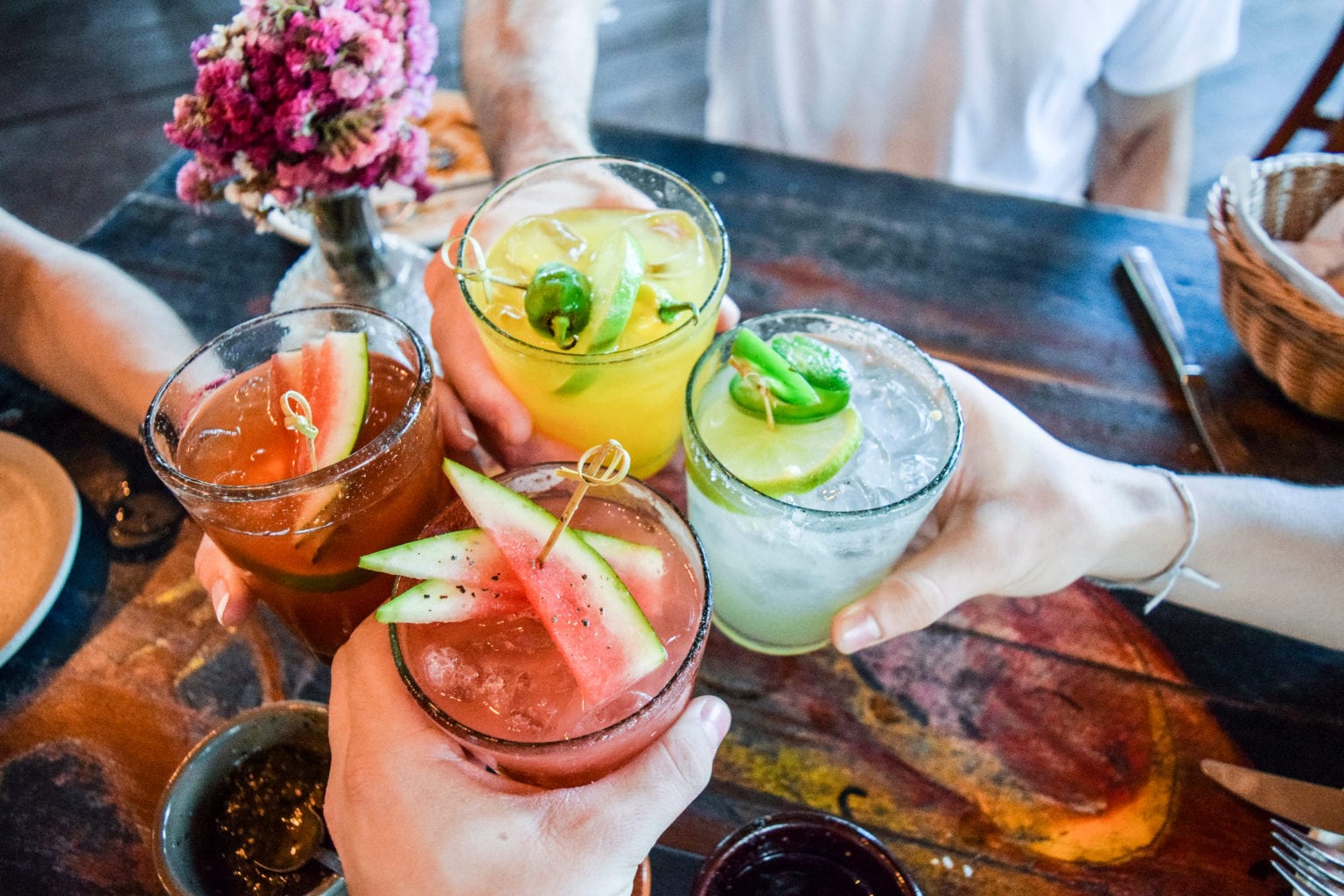
Instagram is like a cocktail so pretty you have to pause and gaze at it (or snap a photo) before taking a sip. It can be classy or silly and it’s almost always a little vain, but that’s what makes it so fun.
- Instagram has over 3 billion total users, with 2 billion active monthly users
- Users aged 25-34 years old make up 33% of the Instagram audience, while those aged 18-24 make up another 29%
- The average user spends 33 minutes on the platform
- Instagram slightly edges out Facebook as the top social channel for product discovery, with small businesses (under 5k followers) having the highest Reels reach rate at 20%
- Facebook’s Shops functionality, a free online storefront for small businesses, can also be hosted on Instagram
Despite a couple of years of missteps as the platform desperately tried to compete with TikTok, Instagram is still a fantastic place to humanize your company, showcase your values, amplify user-generated content, or to elevate your brand with striking images and video.
People perceive companies who use Instagram as popular, creative, entertaining, relevant, and committed to building a community. Audiences use Instagram to discover, research, and make buying decisions about products and services.
Like making a gorgeous cocktail, quality Instagram content takes dedication and attention to detail – but the payoff is a delightful and highly memorable impression. Just be careful that the taste lives up to the presentation.
Get started on Instagram with these guides:
Instagram Marketing in 2025: The Complete Guide to Form Your Strategy (Buffer)
Instagram resources, guides, and training courses (Later)
Instagram Marketing: The Ultimate Guide (Hubspot)
YouTube
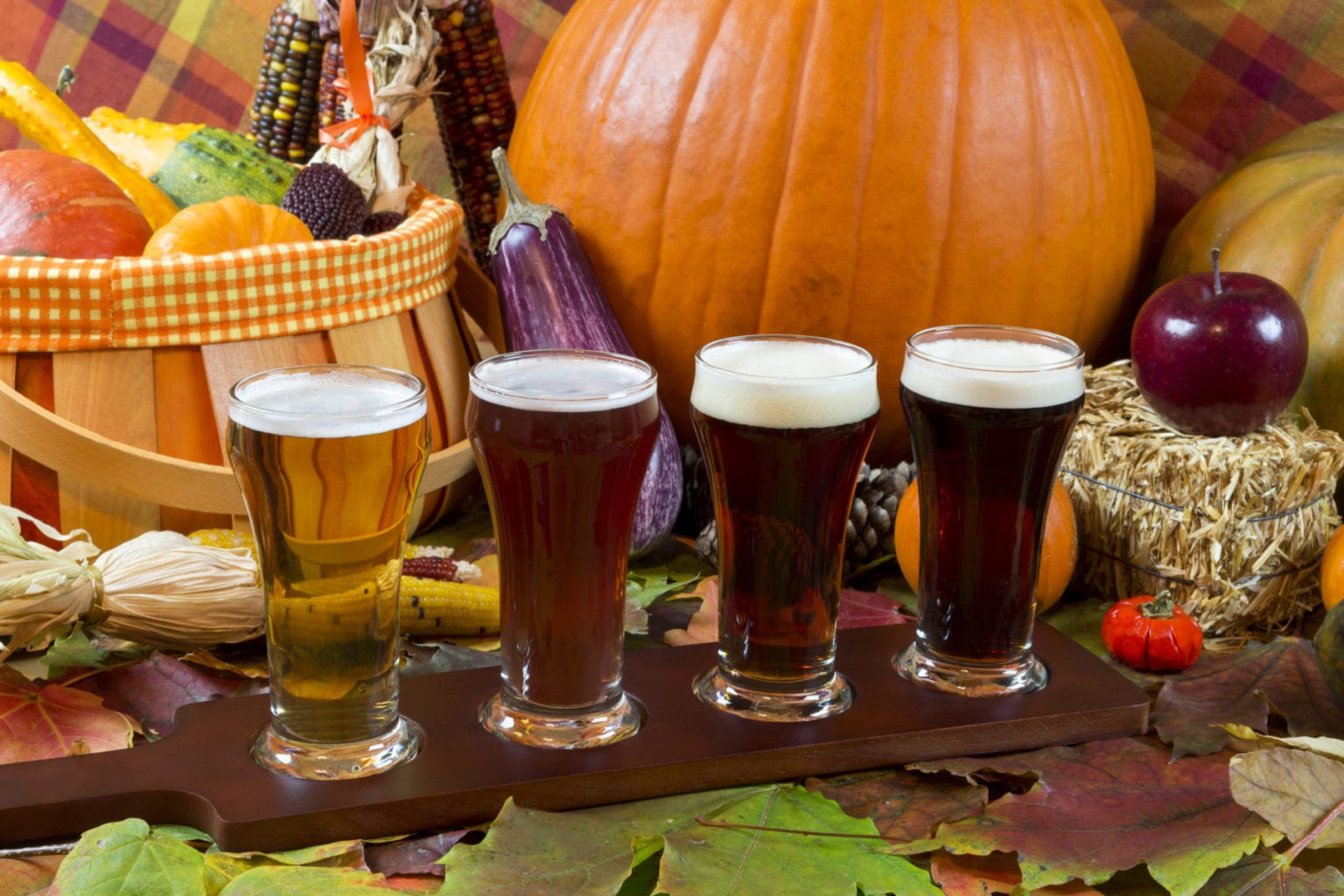
YouTube is like a seasonal beer on tap, because no two breweries will do a summer or winter beer the same way. What you get might be fun, smart, and highly educational… or it might be an offensive swill of low quality and poor taste.
- YouTube has over 2.7 billion active monthly users and 122 million active daily users
- YouTube is more evenly used by different age groups than other platforms – 15.74% of users are 18-24 years old, 21.5% are 25-34, 18% are 35-44, and 13% are 45-54
- It’s the world’s second most popular search engine after Google, which owns YouTube
- Internet users collectively watch over 1 billion hours of YouTube per day (19 minutes per user)
- YouTube is the second-most popular video app for mobile users, behind TikTok but beating out Netflix
- YouTube ads are surprisingly affordable, with an average cost of $0.10-0.30 per view
YouTube is a great place to add depth to your business content by creating videos and playlists, and engaging with your audience while boosting your SEO. Think about it – when you type a search into Google, video results are displayed above the page and post URLs. By creating videos around your target keywords, you can appear above your competitors.
People turn to YouTube to learn a new skill as often as they do to find hilarious entertainment, so there’s no need to try to fit into a specific content or personality box – you could find success creating how-to videos, topic awareness content, customer success stories, case studies, or expert interviews.
When it comes to YouTube, you want to be the tasty beer that’s so good, people stock up on cases. If you don’t feel like you have the time or budget to regularly create engaging, relevant videos, pick a different platform.
Get started on YouTube with these guides:
YouTube Marketing: The Ultimate Guide (Hubspot)
Ultimate Guide to YouTube Marketing (Shopify)
The Beginner’s Guide to YouTube Marketing for Small Businesses (WordStream)
TikTok

TikTok is the latest drink trend: craft mocktails. The younger generation’s declining interest in alcohol has led to a boom in creative, delicious drinks that mimic or even one-up the taste and variety of their alcohol-infused counterparts. Just when you think they’re gonna zig, Gen Z will zag. But one thing is constant: they love entertainment.
- TikTok has over 1.12 billion active monthly users
- 51% of TikTok users are 24 years old and under, and another 23% are 25-34
- Usage is almost evenly split, with 51% female and 49% male
- People spend almost a full hour on the app per day
- TikTok profiles have a higher engagement rate than Instagram
- 58% of users actively purchase something after seeing a brand/product on TikTok
- TikTok Ads are more expensive than Facebook Ads at $1 per click, but within the average range of an Instagram Ad
- Over 15 million sellers use TikTok Shop
TikTok is great for those who want to reach a younger audience, showcase authentic videos, and primarily share entertaining content. Small business owners with a youthful brand and entrepreneurial individuals can do well on TikTok.
That doesn’t mean it’s not for B2B! Being the most popular video platform, TikTok offers lots of advantages in reaching other businesses – plus it’s a great way to elevate your brand storytelling. Read all about it in our roundup of TikTok B2B marketing tips.
Like a mocktail, TikTok isn’t the go-to beverage for every business. Plenty of people prefer beer, and that’s fine! You don’t have to switch to the trendy new drink just because everyone is talking about it. But if you’re targeting a younger audience, you should at least take a sip.
Get started on TikTok with these guides:
The Complete Guide to TikTok Advertising (LeadsBridge)
TikTok for Business resources (TikTok)
TikTok for Business: How to Grow Your Brand in 2025 (HootSuite)
Pinterest is an over-the-top fancy caesar (an ultimate bloody Mary for our US friends). It probably costs more than your meal, but it’s so worth it. You want shrimp on top? Onion rings? Pakora? Tiny burgers? The sky’s the limit.

- Pinterest has over 600 million active monthly users
- 69% of global Pinterest users are female, and 1 in 3 Pinterest users has an income of over $100k per year
- 2 billion searches are performed on Pinterest each month, and 96% of searches on Pinterest are unbranded – the users are open to discovering products and content from anyone
- 8 in 10 Pinterest users find it to be a more positive platform, thanks to higher content moderation and a lack of political ads
- 85% of weekly users have made a purchase from a Pin
- Pins have the longest shelf life of any type of social media post because they don’t get buried in an algorithmic timeline – they can always be discovered, pinned, and re-pinned from other users
- Pinterest ads have a 32% higher ROAS than other social media ad platforms
Pinterest’s vibe is positive and inspirational. It’s a great place for companies to share engaging content around visual products, data, and values or causes. Video, infographics, and GIFs perform well on Pinterest.
While other social media platforms use AR for selfie filters, Pinterest Lens allows users to take a photo of something they see and then search Pinterest for similar content. And a new Lens-powered feature called Try On lets people virtually try certain products for sale on Pinterest.
Like an exotic caesar, Pinterest caters to a specific audience that’s willing to spend more for an elevated experience. You need to bring your A-game to meet their expectations.
Get started on Pinterest with these guides:
Pinterest resources and guides (Pinterest for Business)
The Ultimate Guide to Pinterest Marketing (Sprout Social)
Beginner’s Guide to Pinterest for Business (PPC Hero)
X/Twitter
X, aka the platform formerly known as Twitter, is like a game of “just surprise me!” shots at the bar. Sometimes it’s super entertaining, other times it’s offensive, and frequently you’ll leave having no idea what just happened. Twitter usage dropped off by approximately 20% since Elon Musk took over, and X is now worth 80% less than when Musk bought it.
At this point you might be thinking, why the heck would I use X/Twitter for my business?
It’s all about the conversational aspect. X/Twitter is THE place people think to go for quick customer service, so it’s particularly useful for SAAS and other tech companies.

- X/Twitter has approximately 557 million active users
- Over 118 million businesses worldwide have profiles
- The average user spends 28 minutes per day on the app
- It has the highest male user demographic of any social platform, with a 2:1 male ratio
- 36% of users are 25-34, while 34% are 18-24
X/Twitter users can get a lot of information quickly about entertainment, news, sports, and politics. But because Twitter is like texting to the entire world, you can also read celebrities’ feuds – and ‘mean tweets’ about them. And sometimes your feed is nothing but repetitive ‘inspirational’ leadership quotes from companies that have been working the same Twitter strategy since 2016.
Just like telling the bartender to surprise you with a mystery shot, you might do REALLY well using X/Twitter for your business. Or you might stumble away feeling confused and unwell.
Get started on X/Twitter with these guides:
X (Twitter) Marketing: The Complete Guide for Business (Hootsuite)
How to Create a Twitter Marketing Strategy for Your Brand (Sprout Social)
How to Use X/Twitter for Business (Canva)
Snapchat
Snapchat is a craft cider – that emerging trend from awhile back that’s now a regular item on menus and shelves, but for some reason you keep thinking it’s new or not particularly popular. Not true! Snapchat was launched over a decade ago (2011), so even though it feels kind of cute and ditzy, you can find plenty of reliable Snapchat marketing guides online.

- Snapchat has over 850 million active monthly users
- Users aged 18-24 spend an average of 28 minutes per day on the app, while those aged 25-34 spend around 15 minutes per day
- Users open the app an average of 30 times per day
- Usage is almost evenly split, with 50% male users, 49% female, and 1% unspecified or gender non-conforming
- Unlike Facebook or Instagram feeds, personal and business content is separated for Snapchat users – so you need to be quite active to maintain a presence
- As far as ads, Snapchat claims to reach “90% of the 13-24 year old population and 75% of the 13-34 year old population in 25+ countries”
- 64% of Gen Z users have made a purchase influenced by the app
Snapchat is less polished and carefully curated than the cocktails and caesars of Instagram and Pinterest. It’s definitely for the playful, cheeky brands, and significantly more popular with B2C companies.
That isn’t to say it won’t work for B2B – it’s a great way to reach young professionals, showcase company culture (which influences a growing number of consumers’ purchase decisions), and support recruitment. Plus, companies in many industries use the custom geofilters to attract attention to a location or promotional event.
If this sounds like your target audience, and you want your brand to feel fresh and relevant, go forth and launch your smoked seaweed and elderflower cider. There’s an audience waiting to try it.
Get started on Snapchat with these guides:
How to Use Snapchat for Business in 2025 (Sprout Social)
Snapchat Marketing: Your Ultimate Creative Guide (MNTN)
How to Use Snapchat for Business (Moosend)
Like people who are into sour ales, double-hopped IPAs, or Aperol Spritz, Reddit users have extremely specific tastes. It’s the niche of all niches, while still being a social site. You don’t wing it on Reddit – you need to have a plan that starts with knowing if you belong on Reddit.

- Reddit has over 416.4 million active weekly users, and 110.4 million daily users – that’s more active monthly users than TikTok, and not far behind Instagram
- 44% of users are 18-29
- Reddit users skew 60% male and 39%
- Reddit has a higher ratio of Asian users (39.1%) and Hispanic users (23%)
- The average user spends 20 minutes per day on the platform, while those who have used it for 5+ years visit it for 35 minutes per day, and those who have been active for 7+ years using it for an impressive 45 minutes per day
- There are over 100,000 active subreddits
- Consumers are 44% more likely to trust ads on Reddit than on other social media platforms
- The most popular categories are games, humour, entertainment, and technology – but now that Reddit results appear above site links in the SERP, more and more users are turning to Reddit product, travel, service, and overall business reviews when making purchases
Reddit is more of a social forum than a social media platform. It’s the place to go for useful, relevant information, authentic conversations, and data. There are subreddits (Reddit communities) on everything from news, politics, and games to SEO, science, and, of course, stupidity.
It can be a huge asset for businesses that earn Reddit users’ trust, and that’s a process in itself. You can’t just pop onto Reddit, create an account, and start sharing links to your company’s website and trying to host an AMA (ask me anything). You need to spend time commenting, upvoting and downvoting, and answering questions.
Like people who prefer niche drinks, a Reddit community will be a smaller but much more loyal and engaged group than other platforms’ followers. If you establish yourself as trustworthy, credible, and not in it solely for promotion, you can use Reddit to grow a real community around your business.
Get started on Reddit with these guides:
The 2025 Business Guide to Using Reddit Effectively (Entrepreneur)
The Reddit Business blog (Reddit)
Reddit Marketing: A Guide To Getting It Right (Search Engine Journal)
We hope our guide to picking the best social media platform for your business was helpful! Remember that it’s all about your personality. It’s totally possible to be successful on an unexpected platform, if you’re tuned into the tastes of your audience.

About the Author
More by This Author