
Building a highly effective marketing strategy necessitates an in-depth understanding of web user behavior. And while it’s often overlooked in brand and product discovery (and evaluation and purchase, for that matter), informational value is crucial to reaching and engaging prospects.
According to the latest digital research, over 60% of internet users go online to find information. The most logical way to capture and retain their attention is to create educational content.
There’s also plenty of data supporting the effectiveness of educational resources at guiding leads through the sales funnel.
Some studies have found a correlation between educational content and higher conversion rates. Others have unveiled that relevant informational value elevates consumers’ purchase confidence, especially in high-risk niches and the B2B sector. And, of course, there’s the connection between producing and distributing credibility-establishing content, which is crucial in a world where consumers are far more likely to trust credentialed experts than brands themselves.
So, the question isn’t whether you should invest in educational content. It’s how you need to approach the production process to receive the highest ROI.
If you’re ready to step up your content marketing game, this guide will teach you everything you need to understand about educational content for growth.
Let’s dig in.
1. Build Product Knowledge with Category Guides
Traditionally, the most popular way to utilize educational content was to produce highly informative awareness-stage resources meant to attract leads from SERPs. But the way people browse has changed significantly over the past couple of years.
According to research, 68% of Google searches ended without a click in the first four months of 2026, a change caused largely by the introduction of search engine features such as Google’s AI Overviews, featured snippets, and knowledge panels.
The main implication of this new web user behavior isn’t that educational content no longer delivers sufficient value to drive web traffic. It’s simply that the point in the buyer’s journey at which leads decide to visit a branded website has changed significantly.
If consumers are delaying the moment when they interact directly with a brand’s content, your response should be to adjust your strategy for presenting them with educational value.
Don’t stop publishing awareness-stage content that answers basic consumer questions. Those are still essential for reach, and especially for generative engine optimization. Instead, focus on introducing educational value into posts optimized for the lower stages of the customer journey.
Product evaluation resources and category guides, for instance, can be a great place to provide product knowledge and context. Why? Because they empower shoppers to make more informed buying decisions while boosting their confidence and purchase intent.
The great thing about product category guides is that they can elevate brand and product understanding in several ways:
- Use them to explain niche terminology and ensure your leads know exactly what type of solution they need to resolve their pain points.
- Address and clarify product types, styles, and features. This tactic ensures higher levels of comprehension before shoppers start evaluating individual items, easing their selection process and proactively managing their expectations.
- Guide buyers through the product evaluation and selection process by giving them the foundational knowledge they need to navigate the category with confidence.
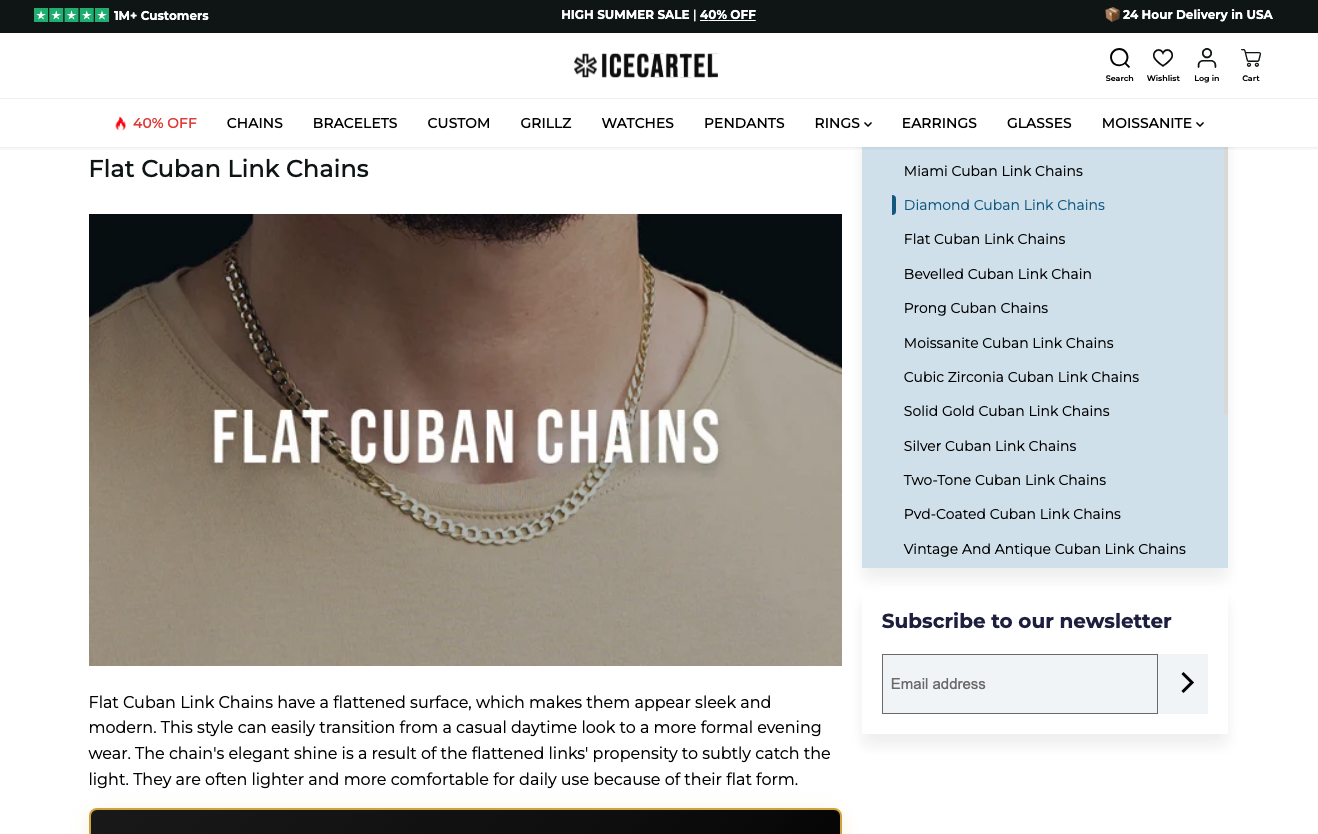
IceCartel uses its Cuban link chains style guide to explain the different styles of this type of jewelry, focusing on aesthetics and craftsmanship. The content strategy helps readers differentiate the styles, materials, and construction methods of Cuban link chains. In implementing it, IceCartel builds product knowledge, ensuring that qualified leads are more likely to convert into clients due to elevated product confidence.
2. Translate Technical Features Into Practical Uses
Some consumers browsing your solutions may have the expertise needed to make sense of technical language and product feature descriptions. But research shows that this may not be the best way to guide your leads through the buyer’s journey.
According to the latest Conversion Benchmark Report from Unbounce, difficult words, higher reading times, and longer word counts reduce conversions by 24.3%, 19.4%, and 18.6%, respectively.
In other words, simpler content drives higher conversion outcomes.
This doesn’t mean you should completely ignore your products’ technical specifications for the sake of simplicity. But it does indicate that showing the practical uses of these technical features could be a more effective way to educate your audience and help them recognize the value of your offer.
One of the most important tips for implementing this marketing strategy is to match the readability of your content to your target audience’s expertise. If your business targets industry experts, you can probably get away with using technical jargon. However, if you’re trying to reach a diverse group of people, you’ll need to communicate value in simpler terms.
In practice, a few tips can help your brand create educational content that’s understandable and that resonates with your target audience.
- Instead of listing features, frame technical specifications as user benefits. Saying how many days of clothes a suitcase can hold tells much more (to the average person) about it than its volume in litres.
- Specify the use cases for product features. Be clear about when customers would use specific product capabilities and who is most likely to benefit from them.
Here’s a great example of this educational content marketing strategy in the real world.
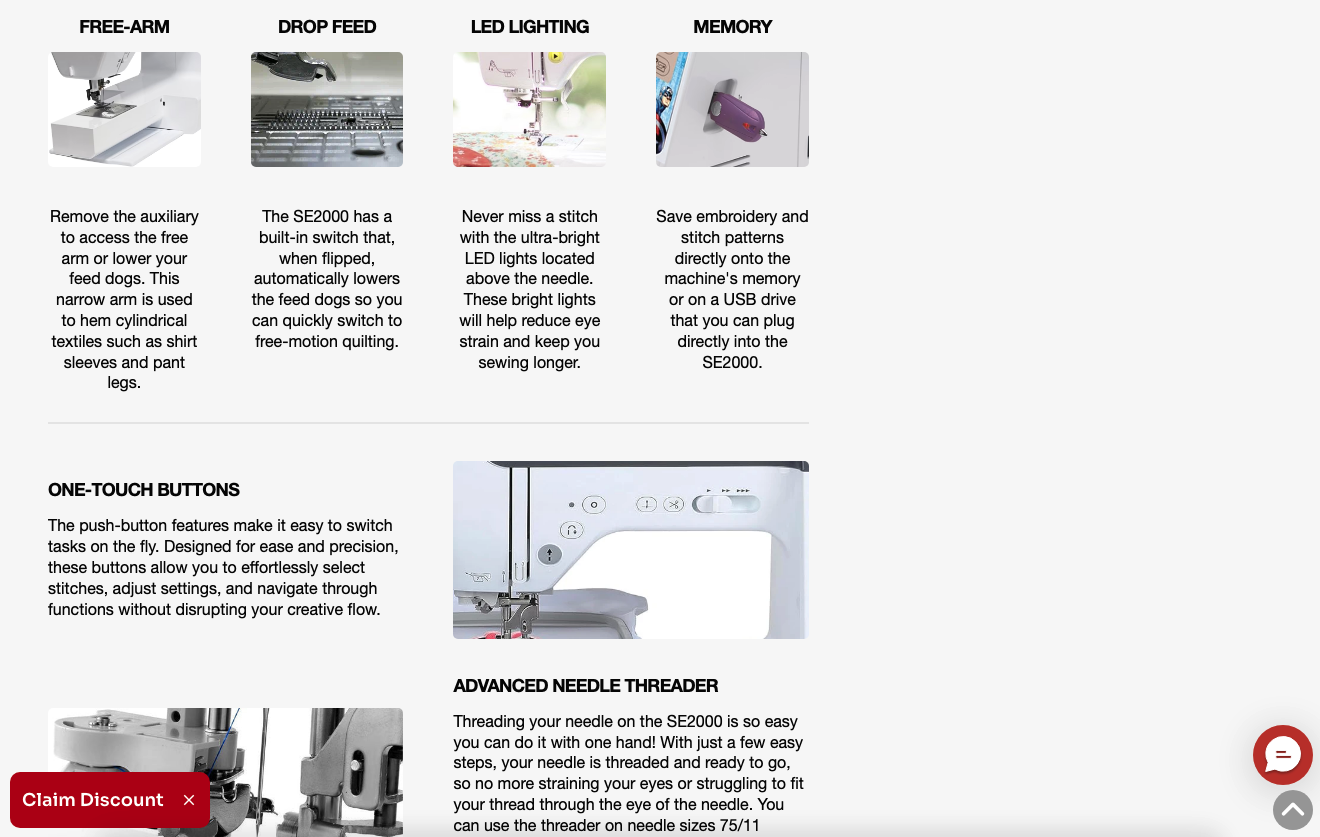
Sewing Parts Online regularly frames sewing machine features as practical capabilities for sewers. On their Brother SE2000 Sewing and Embroidery Machine page, the brand doesn’t just say the product has an ‘advanced needle threader’ feature. Instead, it explains precisely what this does and what value it delivers to customers. It clearly says that the technical function eliminates the frustration of manual threading, and mentions the types of needles it works for.
The brand does the same with all other technical product features, including the quick-set top-loading bobbin, the 7.4” workspace, on-screen editing, one-touch buttons, and a host of other capabilities.
3. Create Buyer Guides That Teach Customers How to Compare Options
The recent economic climate caused consumers to be more careful with how they spend their money.
According to the latest findings on consumer behavior, 56% of US shoppers (as well as 45% of UK and 39% of Canadian consumers) review four or more channels before making a big-ticket buying decision. Even more fascinating is the fact that 52% of global consumers do the same when buying everyday items.
In other words, pre-purchase product comparison is no longer reserved for high-risk decisions. It’s an everyday occurrence.
One of the best ways to meet your target audience’s pre-purchase needs and educate them about the value of your offer is to produce and distribute buyer guides that aid the evaluation phase of their customer journeys. But to get it right, don’t simply tell them which option is the best choice in the industry. Instead, teach them how to analyze product features and compare them to different options available on the market.
From the client’s perspective, this type of educational content delivers unique value and instills trust (through the mediating effect of transparency). And how does your business benefit? Well, the practice helps you highlight the unique value of your solutions, allowing you to frame original features as key differentiators that make your products superior.
Need a real-world example of how this practice works? Check this out.
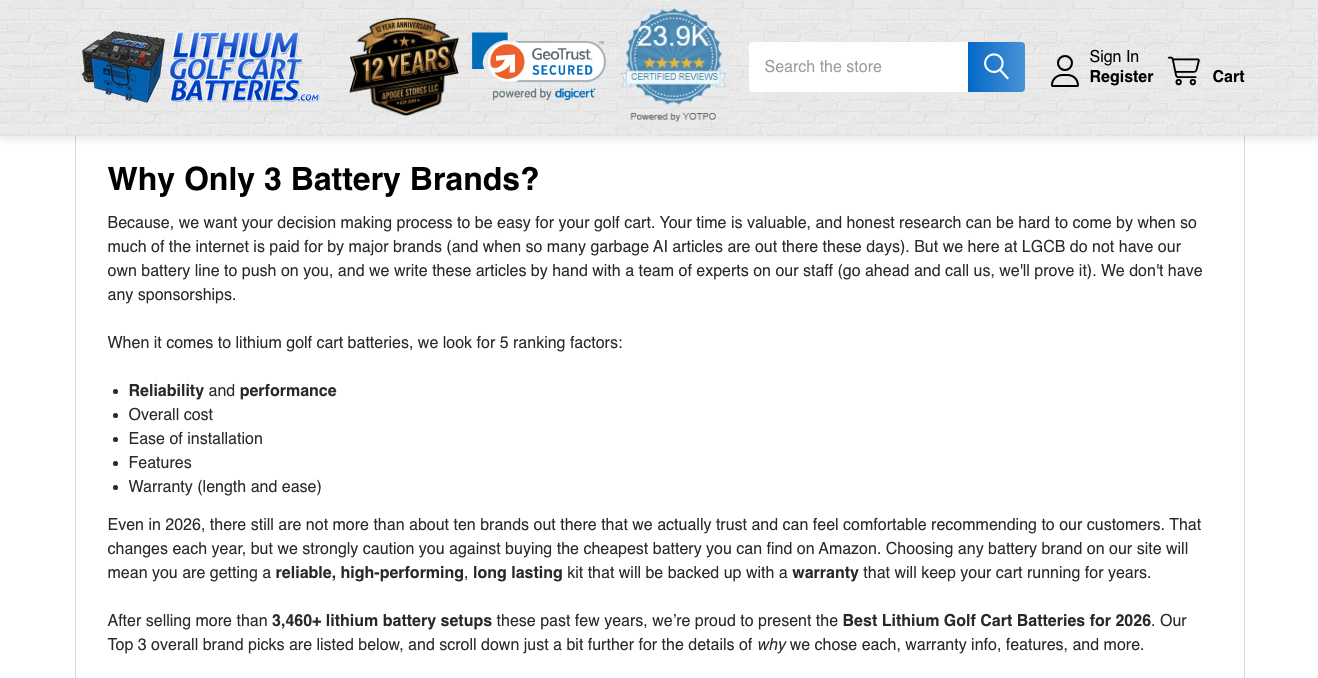
Lithium Golf Cart Batteries is a business that sells batteries and conversion kits for a variety of golf cart types and makes. Because it has a large inventory, one of its primary conversion-optimization goals is to help leads easily and quickly find the ideal product for their needs. To achieve this, this brand published a comprehensive guide to the best lithium golf cart batteries.
What’s unique about this resource is that the brand doesn’t just list a bunch of options and say which ones are better than the others. Instead, it teaches customers to compare lithium golf cart batteries using five concrete criteria. The effect of this approach is a much higher level of consumer confidence and certainty. Both of these factors boost purchase intent and prevent post-purchase regret due to a well-researched buying decision.
4. Provide Broader Context to Aid Customer Consideration
A variety of factors can influence consumer decisions. Most shoppers have specific needs or priorities they want brands to meet (and understand). And research shows that aligning your messaging with your prospect’s unique wants is one of the best ways to inspire purchase intent.
For instance, a recent study by Attentive discovered that content personalization makes 96% of consumers more likely to buy from a brand. When investing in educational content (or any other format, for that matter), it’s important to keep this preference in mind.
Consumers making buying decisions will doubtlessly consider a variety of solutions in an attempt to find the ideal fit for their needs. And their selectiveness will only become more pronounced for big-ticket items and major life-influencing decisions.
So, when producing website content that communicates value, prioritize painting a complete picture of what your offer delivers. Explaining a variety of factors and features may seem excessive. But they can be key in giving your leads a fuller understanding of whether an option suits their needs, an approach that’s far more conducive to a sale than focusing only on the basic benefits of your products.
Here’s an example of a brand that provides context on its webpages to aid customer consideration.
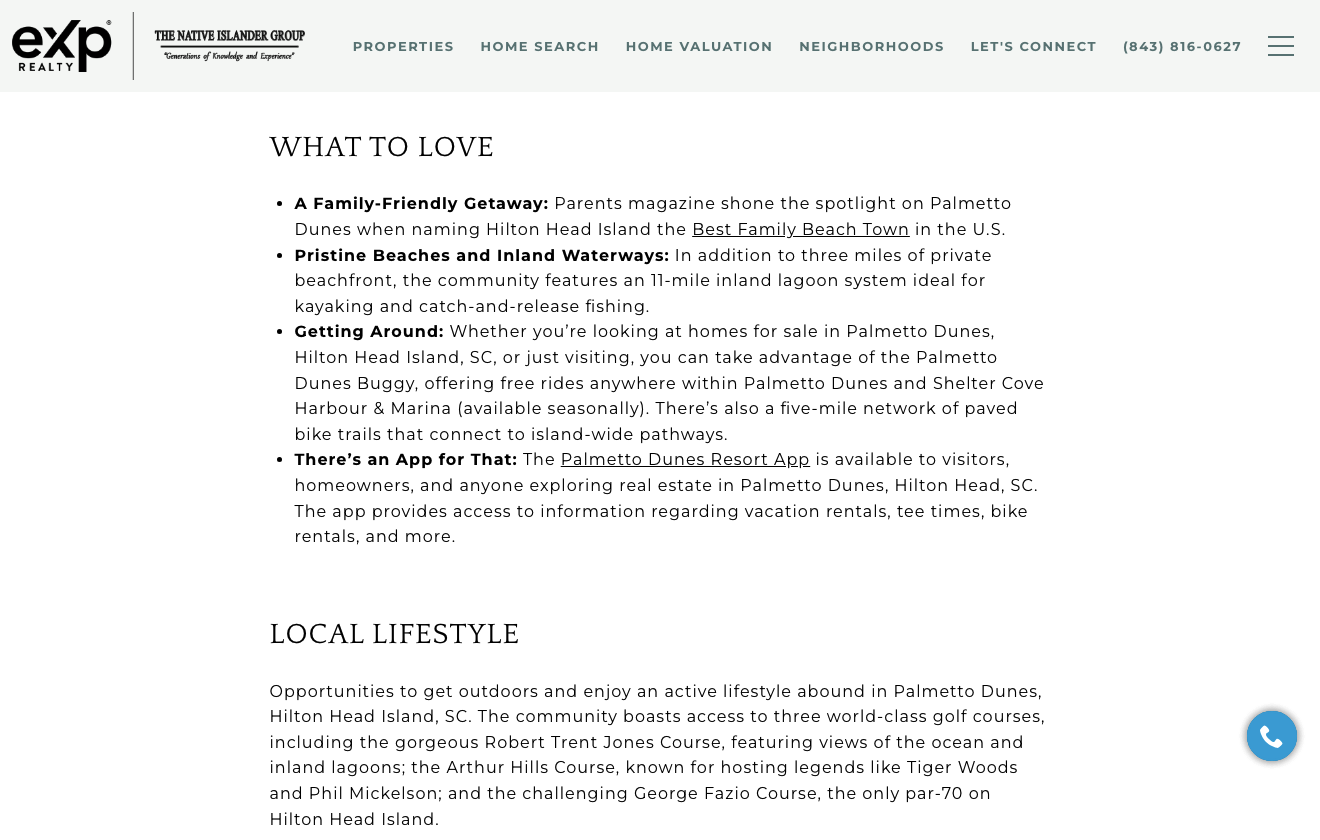
John Sells Hilton Head is a real estate agency that helps customers find and purchase properties across several neighborhoods. But, knowing that its prospects are making a major life decision, the business doesn’t stop at describing the main pros and cons of moving to a specific neighborhood. Instead, it goes into tons of detail.
Its Palmetto Dunes neighborhood page is an in-depth guide to everything buyers should expect regarding location, amenities, surroundings, accessibility, nearby points, and a host of other factors. And in doing so, John Sells Hilton Head doesn’t just give web visitors a better description of what it offers. Much more importantly, it helps homebuyers consider and select their future neighborhoods, making them far more likely to make a positive purchase decision.
5. Turn Product Details Into Useful Education
Using your product pages to list product benefits and qualities is sufficient when producing content for leads who know what they want or need. But what happens when your potential customers aren’t entirely sure how your solutions work and whether they deliver the benefits they’re after?
One of the more recent developments in the typical buyer’s journey is that consumers visit brand websites much later during the shopping process. In fact, research suggests that 50% of consumers now conduct pre-purchase research with AI, entirely bypassing the traditional funnel.
The result of this novel behaviour may be that your web visitors’ first brand interaction occurs on your product pages. And that means that the copy on these resources has to simultaneously support product education and encourage positive conversion decisions.
The easiest and most natural way to make this happen is to invest in product page-specific educational content. The idea is to provide detailed product information optimized for education. This strategy allows you to boost product understanding directly where conversions are most likely to happen.
In practice, this means that you shouldn’t assume that people browsing product pages understand the core features of your offer. Instead, you should go beyond listing ingredients, materials, and components. Say why specifications matter for resolving consumers’ pain points, list relevant quantities or ideal use cases, and provide supporting evidence where appropriate.
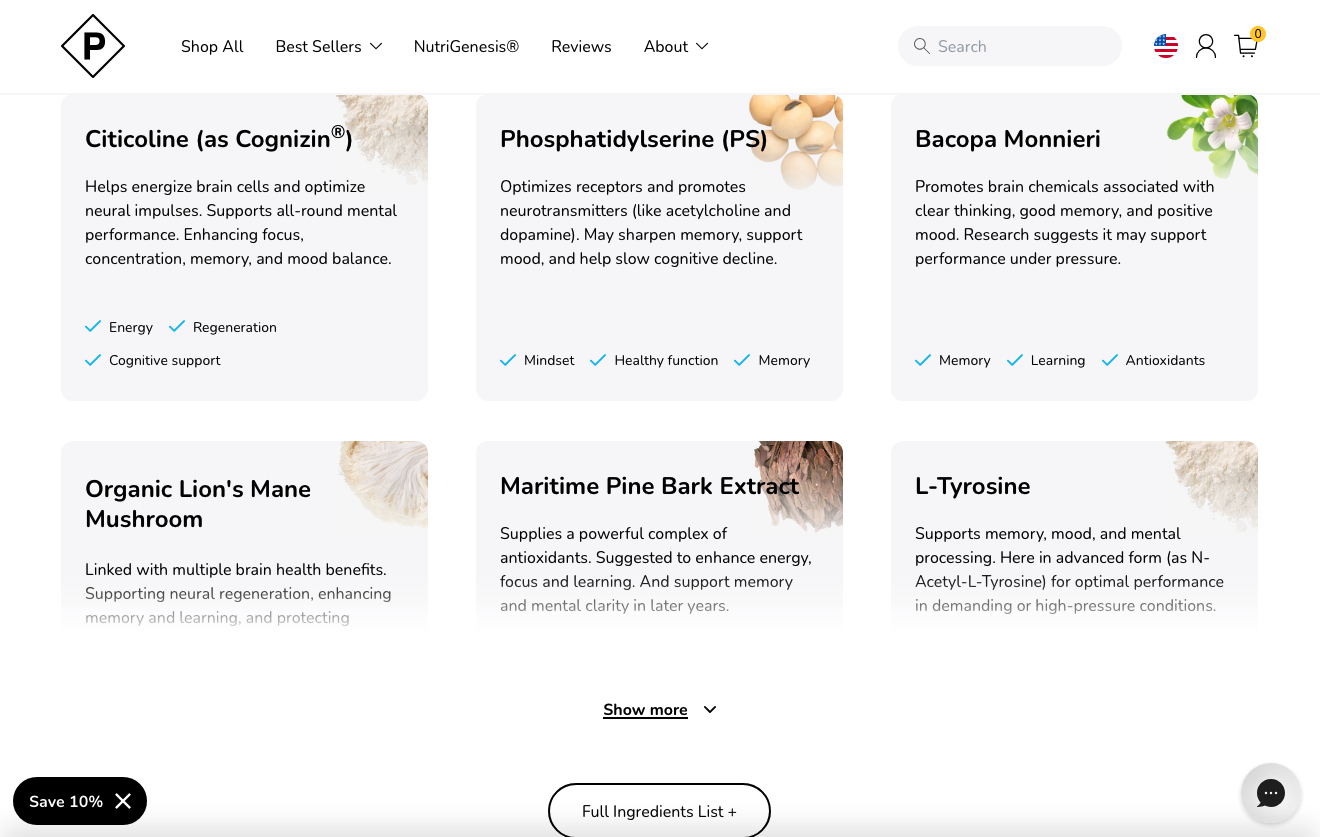
PerformanceLab’s Mind Lab Pro universal nootropic page is an excellent example of how educating prospects on product pages elevates understanding, confidence, and purchase intent. Because the solution includes a host of uncommon ingredients, PerformanceLab understands that many of its web visitors may feel out of their depth when deciding whether the supplement is worth trying out. So, it does its best to explain each ingredient by focusing on what it does.
By listing each component, its primary cognitive benefits, and providing a full ingredients list complete with detailed dosage information, PerformanceLab elevates product knowledge and consumer confidence, earns web visitors’ trust, and improves purchase intent among customers who are new to the world of nootropics and cognitive optimization.
6. Extend Education Beyond Written Content with Events and Workshops
Typically, online content is exceptionally effective at driving brand and product awareness. But it’s not always successful in providing value to your target audience. This is particularly true in the B2B sector, where 70% of people prefer receiving training and professional content in person. And it can be equally important in community-driven business operations or NGOs, where brand relationships are the main driver of engagement.
The reason the offline approach works, particularly in the context of educational content, is that it gives prospects direct access to relevant experts in the field they’re exploring.
Live events, workshops, and one-on-one sessions all offer practical guidance. But even more importantly, they invite participants to take an active role in the learning process, which significantly elevates comprehension, provides hands-on experience, and aids information retention. Digital formats, no matter how well-produced, don’t always achieve the same engagement rates. Their educational effects can’t be as strong either.
Organizing offline events and workshops may not work for all businesses. Nevertheless, plenty of organizations successfully use this format to educate their target audiences.
If the practice aligns with your business goals, here’s an example of how to promote your in-person educational events.
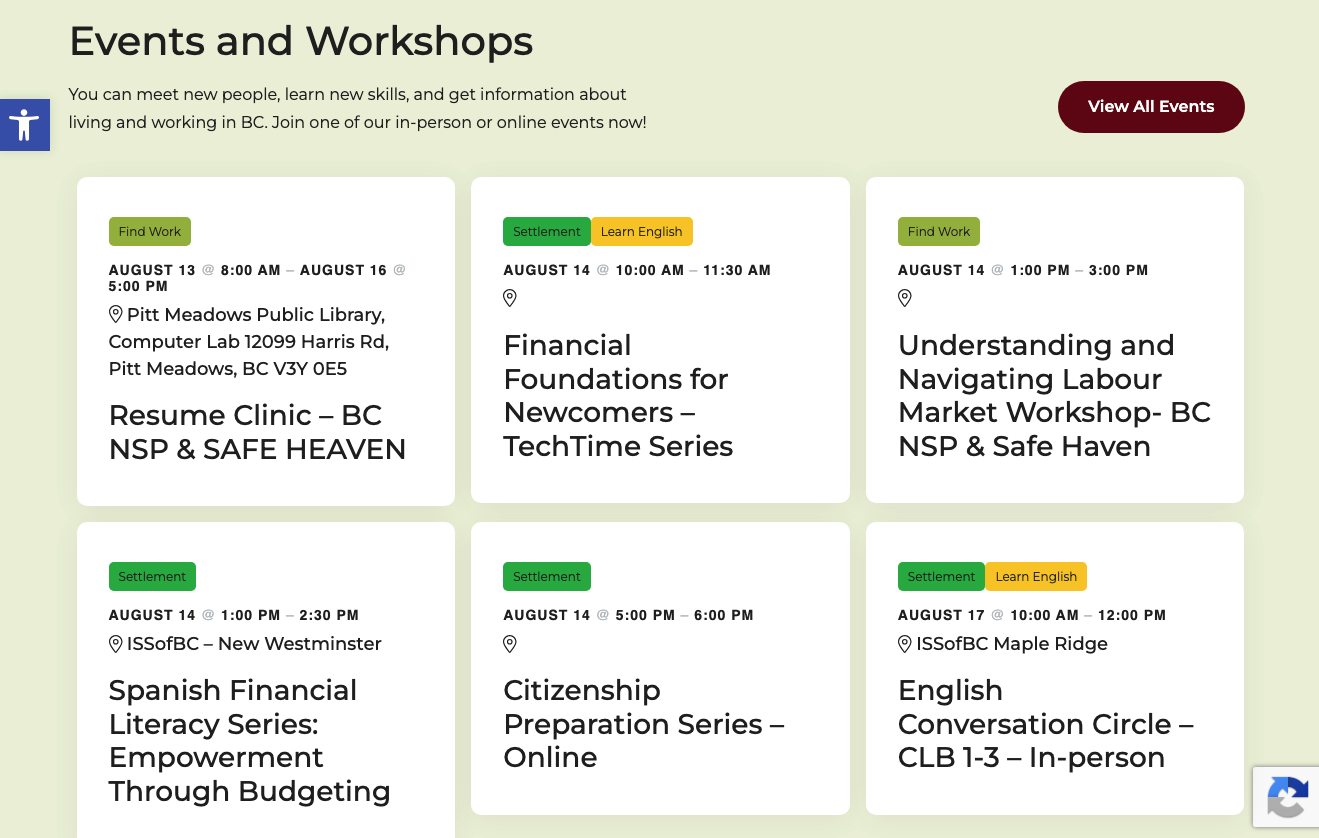
If you check out the Immigrant Services Society of BC, you’ll find that it uses this educational content strategy to deliver value to its clients. On its homepage, ISSofBC promotes a variety of events and workshops, some of which take place online and others in physical locations. Each workshop is clearly categorized according to the type of educational value it provides (job search assistance, settlement, English learning, etc.).
This approach allows web visitors to easily browse the organization’s events, choose the ones that are most relevant to their needs and interests, and register without delay.
7. Educate Visitors About Your Offerings at a Glance
Copywriting often receives the most attention when discussing educational marketing optimization. And that’s not much of a surprise. With data clearly indicating a relationship between language complexity and educational value, it’s easy to conclude that simple strategies, like boosting readability, deliver immense ROI.
But the simple truth is that content design and organization can be just as influential in delivering informational value.
Research clearly demonstrates that 59% of web users prefer interacting with beautifully designed resources. Plus, there’s plenty of data showing how a page is organized directly influences its readability, accessibility, and effectiveness at communicating relevant messages.
So, when structuring content to maximize engagement and educational value, prioritize design strategies that allow your audience to extract information as quickly as possible.
The way to do this is to chunk content into clearly organized segments based on your brand’s services or your offer’s benefits. Use concise descriptions along with illustrations and images to aid comprehension. And don’t communicate all product information at once. Instead, allow web visitors to choose which of your services they wish to read more about and use progressive disclosure to prevent informational overload.
Here’s a great example of a brand that uses web design to speed up how quickly its visitors comprehend its services.
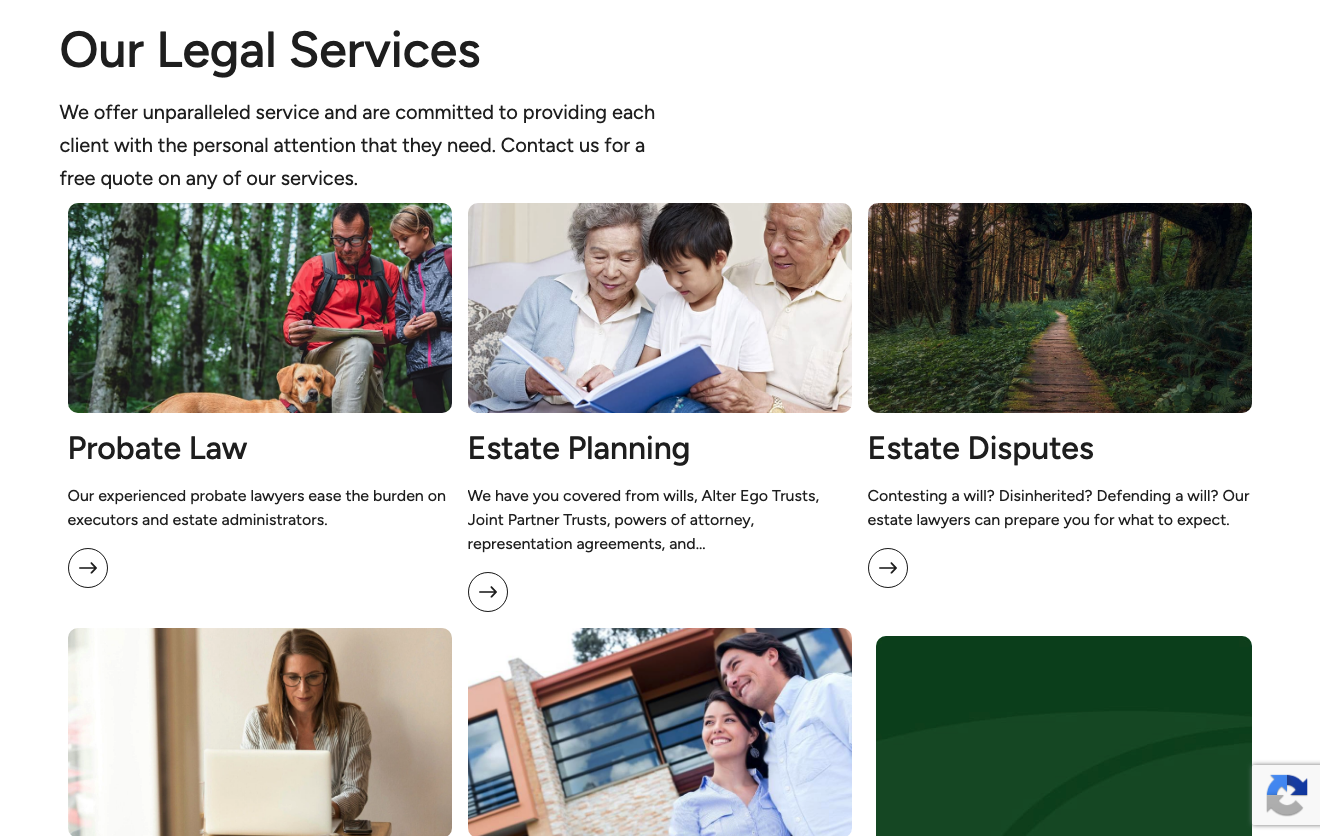
Westcoast Wills & Estates offers a variety of legal services. The estate law firm specializes in legal activities that can be quite complex to understand, particularly for non-expert prospects. To maximize potential customers’ understanding of what it can do, Westcoast Wills & Estates needs to ensure web visitors understand the value it offers immediately upon landing on the homepage. To achieve this, the legal firm uses visual content chunking and progressive disclosure to aid comprehension.
The tactic supports on-page scanning and basic understanding, while the provided service page links enable deeper service-specific education that guides leads through the customer journey.
8. Turn Original Research Into Useful Audience Insights
One of the biggest challenges of producing educational content is that volume and adequate resource quality no longer help brands reach their content marketing goals. Why? Because anyone can produce basic educational content with a variety of generative tools.
Businesses aiming to empower their prospects with informational value (or attract them with the promise of it) have to focus on producing original resources.
According to recent survey data, 88% of marketers who produce original research report positive ROI. 64% have seen conversion rates improve. 51% have higher content engagement rates. And 61% have improved their rankings and organic traffic.
With this in mind, one of the best ways to employ educational content throughout your digital strategy is to use your brand’s insights to attract your ideal customers. Here are a few possibilities for how to do it:
- Educate prospects about industry trends and patterns they wouldn’t be able to identify and discern on their own.
- Collect relevant data and translate it into actionable insights or guidelines for your ideal prospects.
- Help your leads make better conversion decisions with your expert assistance, particularly in health and science-related industries.
There are two major ways to use this type of content to grow your business.
On the one hand, you can transform these resources into lead-generation magnets, using them as an entry point into your funnel. On the other hand, you can use original research as a product, which can be immensely profitable if you can guarantee value and originality in your niche.
Here’s an example of an organization that produces original research and uses it as a product.
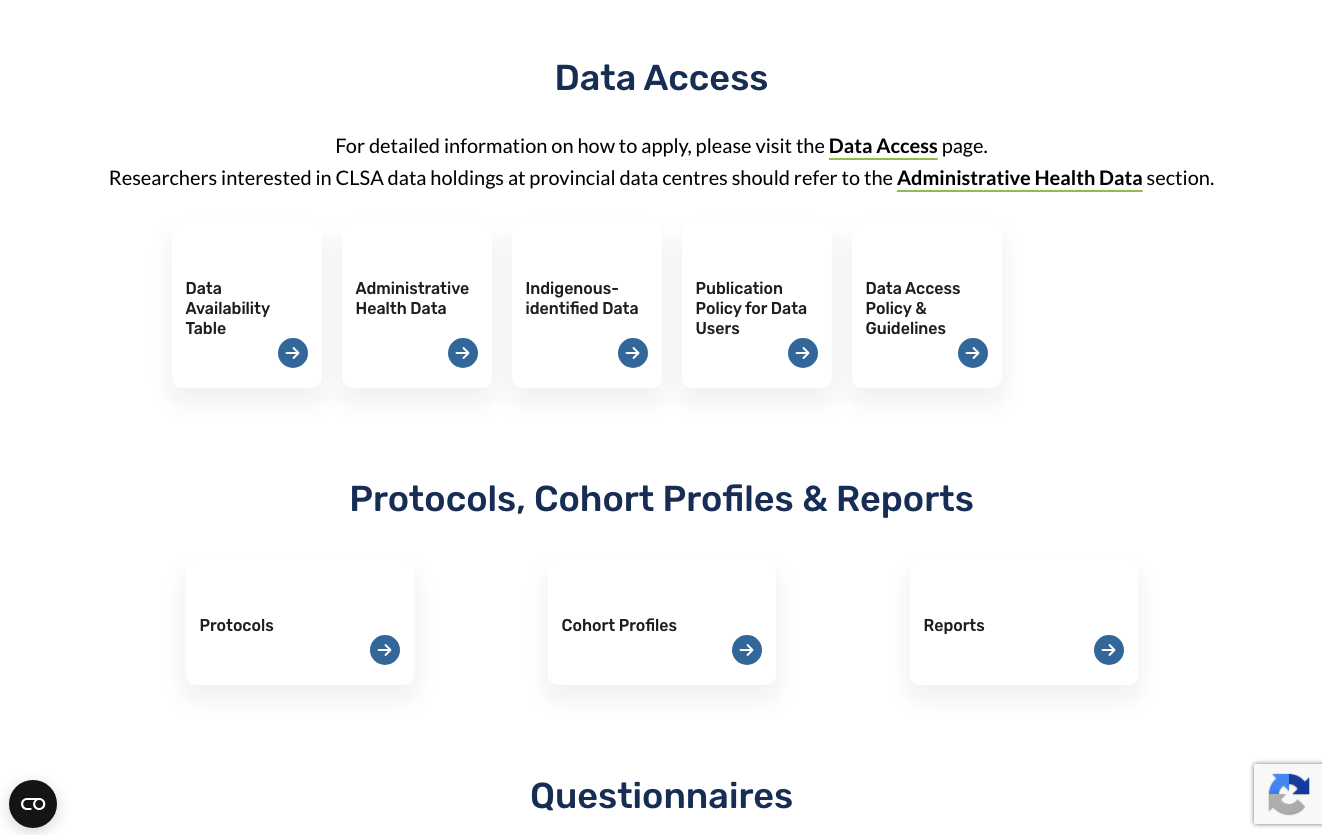
The Canadian Longitudinal Study on Aging is a project that aims to uncover the pathways to living long and healthy. It follows tens of thousands of participants and looks at several aspects of aging, including biological, medical, psychological, social, lifestyle, and economic factors. The aim is simple: provide businesses, educational institutions, and research centers with actionable insights to improve health and quality of life in Canada.
The basic researcher resources are free to anyone. But the original research data and insights are available only to those whose application is approved, at a price determined by the applicant’s location and area of interest.
9. Use Interactive Features to Make Information More Engaging
One downside of education-focused content is that conveying information can feel repetitive or uninteresting. This is particularly true for data reports and similar resources. And it’s often the factor that reduces the value of educational content and minimizes its potential to generate ROI.
But the simple truth is that educational information doesn’t have to be ‘boring.’
The right content formatting strategies can transform even the most unexciting findings into fascinating insights. And much more importantly, they can help consumers get more from the resources they encounter throughout the buyer’s journey.
For example, adding interactive features to a resource can generate 52.6% more engagement than traditional static content. Why? Because these features transform information into something web users can actively explore rather than passively read about.
By incorporating interactive, user-centric content formats into your educational marketing strategy, you can help your audience navigate the information you present in accordance with their unique needs. And you can help them better understand the data you present, allowing them to generate more valuable insights they can transform into actionable problem-solving actions (which may include a conversion).
Here’s a brand that uses interactive features to make its educational content more engaging.
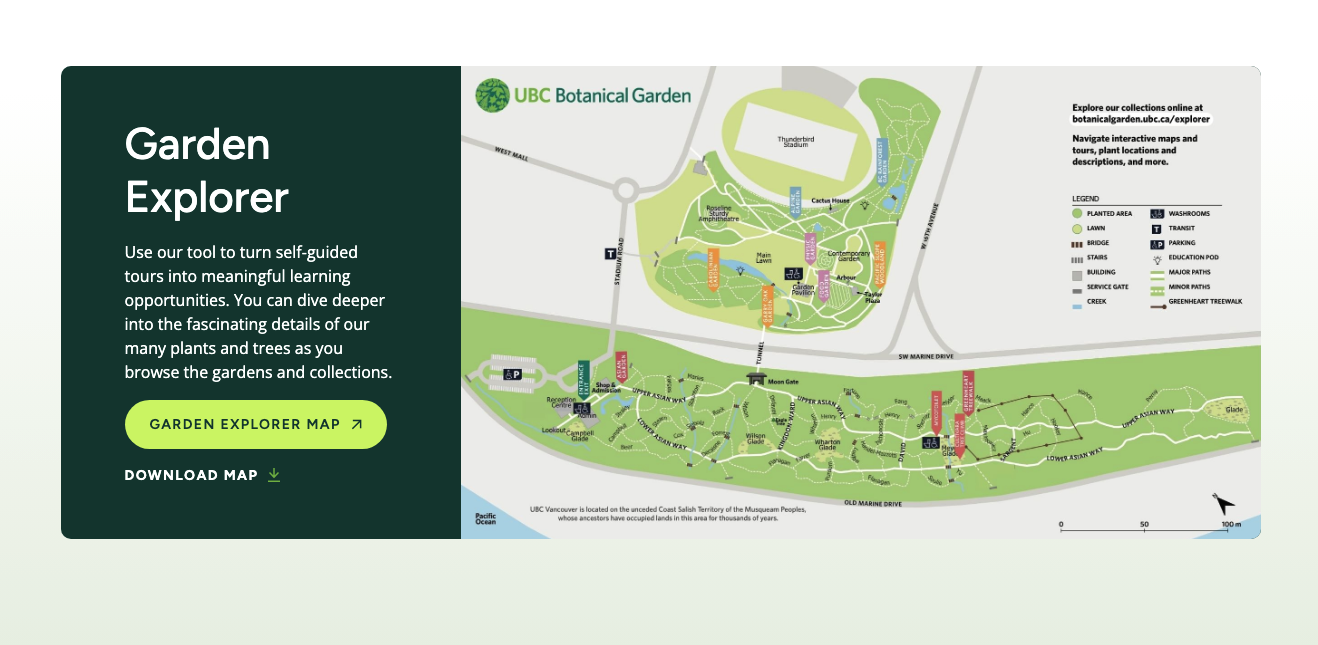
The UBC Botanical Garden understands that its visitors need to know its location to have the best possible visit. But it also knows that most visitors don’t read educational and informational content before visiting. It created an interactive garden map, aiming to boost familiarity through entertainment.
The Garden Explorer map is an excellent way for first-time visitors to gather information about the park. As for return visitors, they can take a deeper dive into areas that match their specific interests, giving them the perfect visit-planning tool to ensure they have the best time possible once at UBC Botanical Garden.
10. Offer Educational Resources in Different Content Formats
When aiming to accommodate your prospects’ information needs with useful material, don’t forget that most consumers prefer different formats.
Yes, blog posts and written content can be exceptionally effective at educating customers. But they’re not always people’s first choice for learning new information.
For example, if you look at Wyzowl’s video marketing research, you’ll find that 63% of consumers prefer to learn about products by watching a short video, which is over 10x the people who prefer to read a manual.
Webinars, for instance, can provide participants with deeper discussions and the ability to ask follow-up questions to crystallize the information presented. Podcasts are suited for both at-home and on-the-go consumption, with 24% of people listening to their favorite shows while commuting. Educational tools can be helpful as well, providing prospects practical help in answering their questions or resolving their pain points.
Here’s how you can encourage your web visitors to interact with your resources and find the posts that best match their needs or preferences.
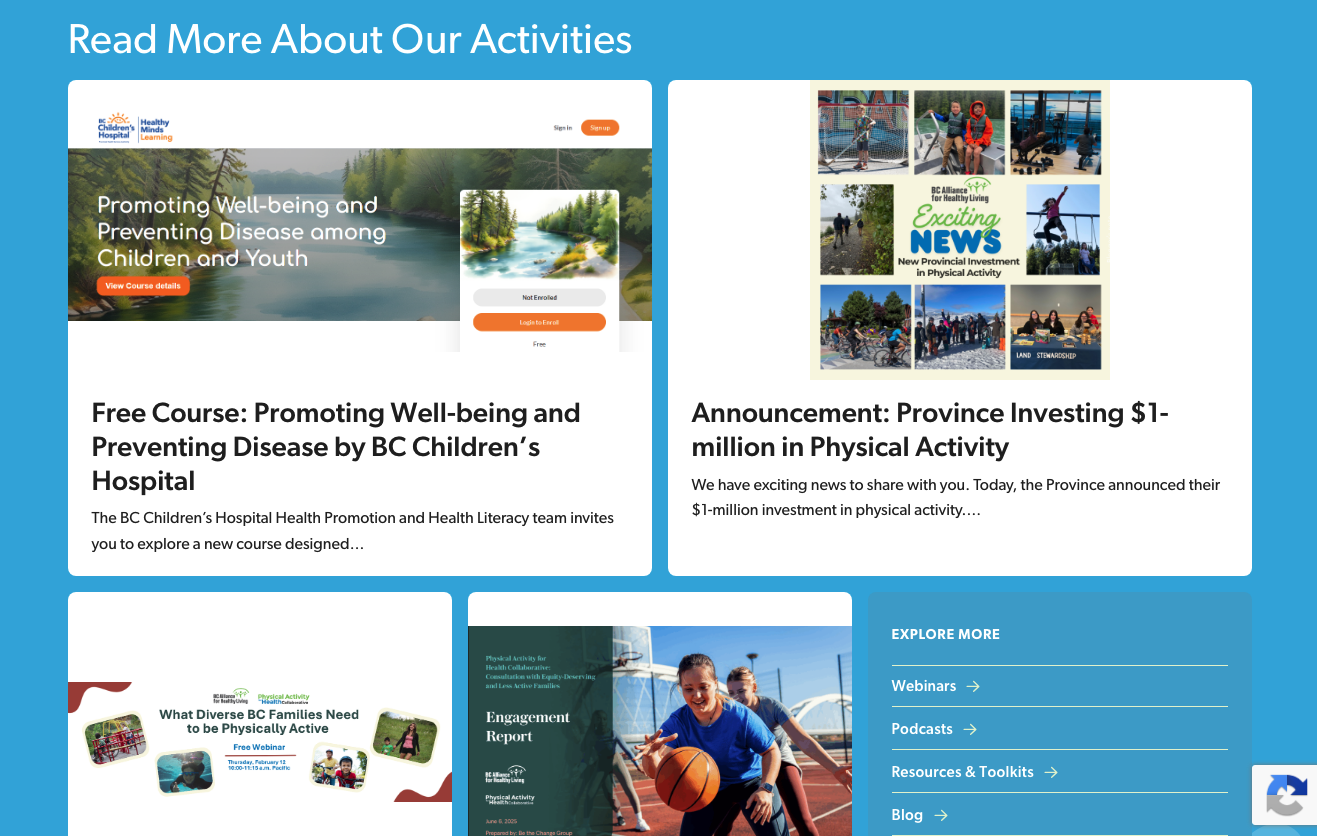
The BC Alliance for Healthy Living is an organization that aims to promote health policies, programs, and services. What’s interesting about this entity is that it knows that most people don’t take health advice seriously and may even need a bit of a push to act. BC Alliance uses versatile content formats to maximize its web visitors’ willingness to educate themselves.
It regularly promotes its courses and webinars, encourages web visitors to listen to its podcast, and provides leads with a variety of text-based resources, including articles, toolkits, and press releases.
Final Thoughts
Educational content provides both brands and consumers with immense value. But only when it’s produced in a way that prioritizes an enjoyable user experience.
So, whether your goals include boosting product understanding, optimizing conversions, elevating engagement rates, or increasing brand trust, the tactics discussed above are all excellent ways to reach your desired outcomes.
Don’t forget that originality, accessibility, and user-friendliness are key in 2026. Pay attention to those, and your resources will be highly likely to stand out, building brand and product awareness and positioning your organization as a credible entity consumers will want to buy from.
Share post:

About the Author
John Hurley
John Hurley is a marketing consultant, freelance writer and professional geek. He loves overdelivering to his mostly SaaS & e-commerce clients. And romantic comedies are his not-so-guilty pleasure.
Contact Us More by This Author